


The largest supplier of pistachios in Iran
June 13, 2020
Wholesaler and exporter of saffron in Iran
June 18, 2020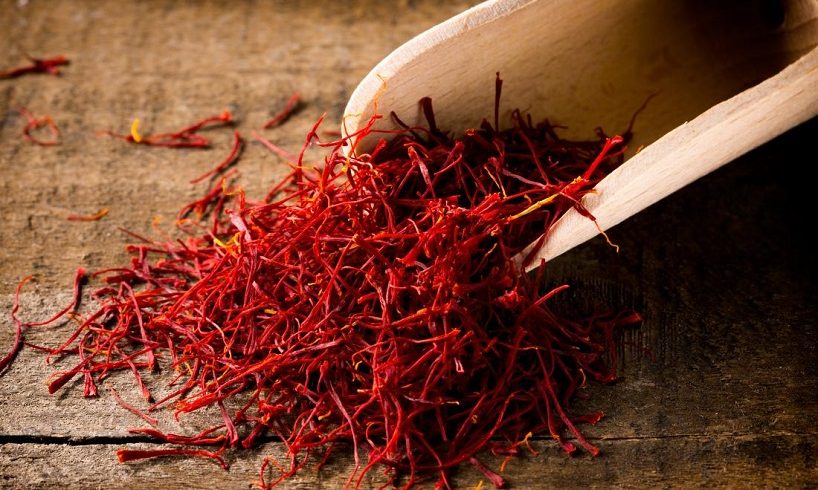
Sales of saffron in the European market
Sales of saffron in the European market
Overview Information
Saffron is a plant. The dried stigmas (thread-like parts of the flower) are used to make saffron spice. It can take 75,000 saffron blossoms to produce a single pound of saffron spice.
Saffron is widely cultivated and harvested by hand. Due to the amount of labor involved in harvesting,
saffron is considered one of the world’s most expensive spices. The stigmas, and sometimes the petals, are also used to make medicine.
Saffron is used for depression and Alzheimer’s disease. Women use saffron for menstrual cramps and premenstrual syndrome (PMS).
Men use it for early orgasm (premature ejaculation) and infertility. Saffron is used for many other conditions, but there is no good scientific evidence to support many of these uses.
Some people apply saffron directly to the scalp for baldness (alopecia).
In foods, saffron is used as a spice, yellow food coloring, and as a flavoring agent.
In manufacturing, saffron extracts are used as fragrance in perfumes and as a dye for cloth.
May Reduce Cancer Risk
Saffron is rich in two major carotenoids, namely crocin, and crocetin. Preclinical evidence demonstrates that certain carotenoids may have potent antitumor effects
Literature data indicate that saffron could be used as a potential cancer chemopreventive agent.
Sales of saffron in the European market
Even though some of the data looks convincing, more well-designed clinical trials in humans are warranted to ascertain the anticancer effects of saffron
As per another report, though the exact mechanism of the anticancer effects of saffron is unclear, its carotenoids could play a role.
More trials in humans are needed to arrive at a definite conclusion
Saffron and its components have also been suggested as promising candidates for cancer prevention. Crocin, one of its compounds, was found to have high potency as a chemotherapeutic agent
May Help Fight Inflammation And Arthritis
An Italian study states that the crocetin in saffron promotes cerebral oxygenation in rats and positively acts in arthritis treatment. This effect could most likely be attributed to its antioxidant activity.
However, these results have been obtained only in vitro or on laboratory animals and not yet on humans
Extracts of petals of the saffron plant were also found to have chronic anti-inflammatory activity. This effect could be attributed to the presence of flavonoids, tannins, alkaloids, and saponins.
However, the other chemical constituents of saffron and their mechanisms are yet to be investigated
May Boost Vision Health
In rat studies, safranal, a constituent of saffron, was found to delay retinal degeneration. The compound could also reduce rod and cone photoreceptor loss.
These properties make safranal potentially useful for delaying retinal degeneration in retinal pathologies
Saffron supplementation was also found to induce a mid-term, significant improvement in the retinal function in the case of age-related macular degeneration.
However, more research is warranted with respect to saffron supplementation in clinical practice
E-mail:info@gmpars.com
whatsApp:+989216006147
URL:www.gmpars.com

